Expert Water Heater Installation: Why Expert Help Is Essential for Maximum Efficiency
Professional water heater installation is a vital aspect of home maintenance. Experts possess the necessary skills to verify that systems operate safely and efficiently. They help circumvent common pitfalls that can result in costly repairs or inefficiencies. Understanding local codes and regulations is also critical for compliance. As homeowners consider their options, the merits of professional installation become more apparent, raising questions about the long-term implications for energy costs and system reliability.
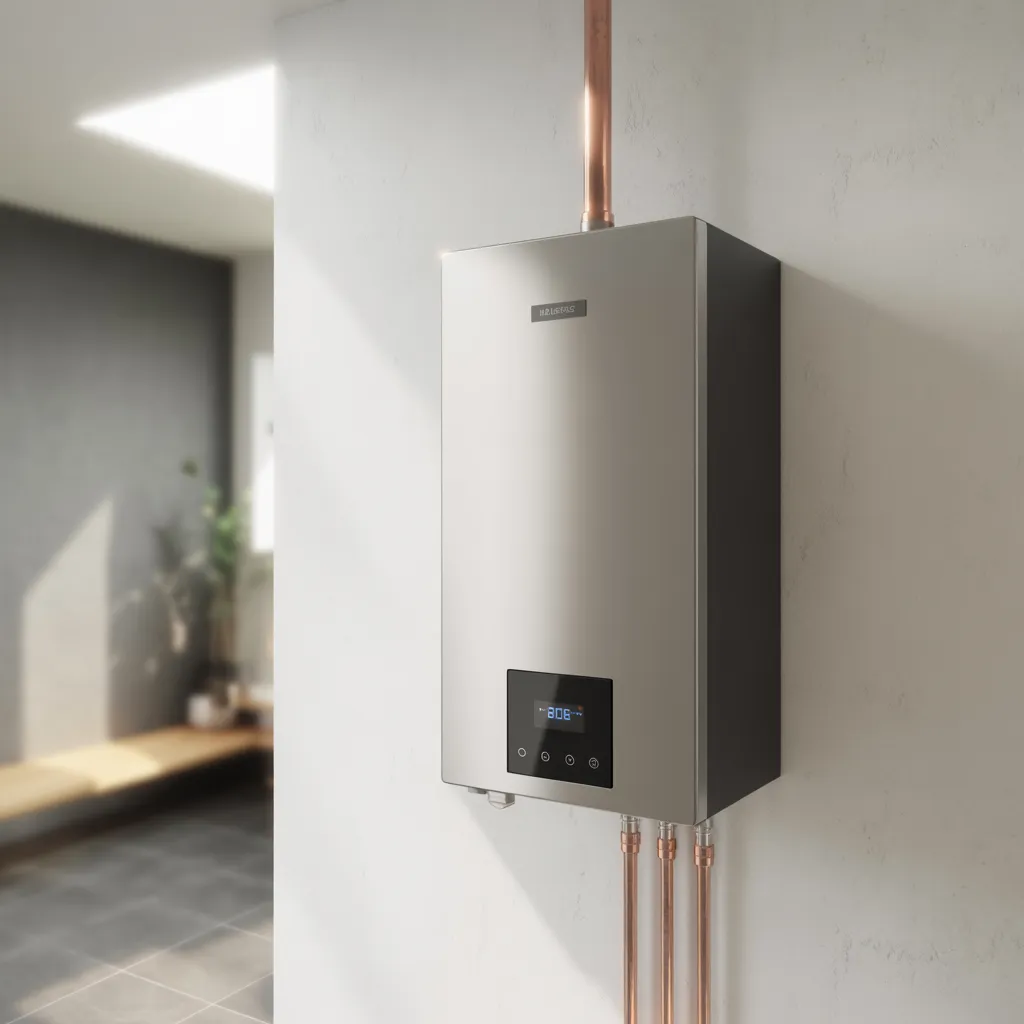
The Significance of Professional Proficiency
Although some property owners might contemplate DIY installation for their water heaters, the worth of professional expertise cannot be overstated. Professional installers offer extensive knowledge and experience to the installation process, verifying that systems are set up according to industry standards and local codes. This expertise serves to eliminate common issues that can result from improper installation, such as leaks, inadequate efficiency, and potential damage to the home.
Furthermore, experts can suggest the most appropriate water heater models based on the homeowner's unique needs, improving efficiency and overall performance. They also possess the essential tools and equipment to handle the installation effectively and safely. Additionally, a professional installation typically includes warranties for both the unit and the labor, ensuring homeowners with peace of mind. Finally, choosing professional expertise can save homeowners time, money, and stress in the long run, making it a smart choice for water heater installation.
Maintaining Safety While Performing Installation
Maintaining safety during water heater installation is vital for preventing potential hazards. Proper ventilation must be established to stop the buildup of harmful gases, while careful adherence to electrical safety standards is necessary to prevent electrical fires and shocks. By focusing on these important safety measures, installers can safeguard both themselves and the property.
Adequate Ventilation Requirements
Proper ventilation is a critical see the full story aspect of water heater installation that markedly impacts safety. Insufficient ventilation can lead to the accumulation of hazardous gases, such as carbon monoxide, creating serious health risks. Professionals guarantee that the installation adheres to local building codes, which often specify specific ventilation requirements. Proper venting directs exhaust gases outside, preventing backdrafts and confirming the appliance operates efficiently. Additionally, adequate airflow is essential for maintaining optimal combustion, especially in gas-powered water heaters. By engaging experts, homeowners can be confident that their systems are properly ventilated, decreasing the potential for dangerous situations. Ultimately, focusing on proper ventilation during water heater installation is essential for securing both occupants and property.
Standards for Electrical Safety
When it comes to water heater installation, observance of electrical safety standards is critical for minimizing risks connected to electrical faults. Technicians are instructed to comply with municipal and national electrical codes, guaranteeing all wiring connections are protected and adequately insulated. This not only avoids potential hazards such as short circuits and electrocution but also ensures the water heater operates effectively. Furthermore, qualified technicians know the importance of grounding and bonding, which further improves safety. They also evaluate the existing electrical infrastructure, making needed upgrades if necessary. By depending on expert installation, homeowners can be certain that their water heaters will work safely and reliably, ultimately prolonging the appliance's lifespan and lowering the likelihood of costly repairs.
Optimizing Performance and Output
What methods can homeowners use to optimize their water heater's efficiency and performance? Property owners can improve their water heater's efficiency by ensuring adequate insulation of both the unit and its connected pipes. This decreases thermal loss, permitting the heater to work more effectively. Regular maintenance is also vital; flushing the tank periodically helps remove sediment buildup, which can hinder performance. In addition, inspecting the thermostat settings and validating they are set to a suitable temperature can prevent unneeded energy expenditure.
Furthermore, homeowners ought to evaluate the type of water heater they use. Efficient systems, like tankless or heat pump water heaters, ensure superior performance. Correct setup, conducted by professionals, assures that the unit operates at peak efficiency. Finally, homeowners should be mindful of water usage habits, as reducing hot water demand can significantly increase overall system performance. By following these measures, homeowners can guarantee their water heaters perform efficiently and effectively.
Lasting Financial Savings
Maximizing performance and efficiency in water heaters not only boosts immediate functionality but also contributes to long-term cost savings. Professional installation confirms that the unit operates at peak levels, lowering energy consumption and decreasing utility bills over time. A properly installed water heater decreases the risk of leaks and malfunctions, which can lead to costly repairs and increased water usage. Additionally, energy-efficient models, when installed correctly, often meet requirements for rebates or incentives, further enhancing savings. Regular maintenance, supported by expert installation, can increase the lifespan of the unit, deferring replacement costs. By investing in professional help, homeowners can secure a more dependable and effective water heating system, translating into financial benefits over the years. This proactive approach not only reduces unexpected expenses but also promotes a sustainable living environment, making professional installation a smart choice for long-term financial health.
Following Local Codes and Regulations
Making certain of compliance with local codes and regulations is crucial for water heater installation, as disregarding these requirements can lead to serious legal and safety concerns. Local codes are established to safeguard residents and guarantee that installations comply with specific safety standards. Professional installers are familiar with these regulations, making certain that every aspect of the installation adheres to the law, from venting requirements to seismic bracing.
Failure to comply can cause fines, the need for high-cost rework, or even the risk of fire or gas leaks. Additionally, inadequately installed water heaters can invalidate manufacturer warranties, resulting in additional financial burdens. Professionals not only grasp the intricacies of these codes but also keep informed about any changes, making certain that installations remain compliant over time. By opting for expert installation, homeowners can reduce risks and ensure that their water heaters operate effectively and safely within legal parameters.
Warranty Benefits and Peace of Mind
Skilled installation not only manages conformity with local codes and standards but also grants homeowners confidence about their water heater's working condition. When a certified technician handles the installation, homeowners can have faith that the installation is executed right, minimizing risks such as leaks or malfunctions. This assurance is critical, especially taking into account the potential hazards related to improper installations.
In addition, numerous manufacturers supply warranties that are conditional upon professional installation. A qualified technician verifies the water heater is installed according to the manufacturer's specifications, enabling homeowners to take advantage of full warranty coverage. In the event of a malfunction, this coverage can avoid considerable repair costs. In summary, investing in professional installation not only enhances the water heater's efficiency and lifespan but also defends homeowners from the anxiety of unexpected issues, underscoring the value of expert assistance in this essential home appliance installation.
Frequently Asked Questions
How Do I Choose the Right Water Heater for My Residence?
To pick the right water heater, one should consider factors such as home size, energy efficiency ratings, fuel type, and budget. Examining different models and consulting reviews can also give valuable insights for an informed decision.
What Is the Typical Time Required for Installation for a Water Heater?
The typical installation duration for a water heater generally ranges from 2-4 hours. Factors influencing this duration include the type of heater, the condition of existing plumbing, and needed adjustments to the installation site.
Is Self-Installing a Water Heater an Option to Save Money?
Setting up a water heater yourself could cut initial expenses, but it often leads to potential hazards and inefficiencies. Expert installation ensures safety, compliance with regulations, and peak performance, resulting in greater sustained value and trustworthiness.
What Are the Common Warning Signs of a Malfunctioning Water Heater?
Common indicators of a failing water heater include fluctuating water temperature, strange noises, discoloration of water, leaking around the unit, and an increase in energy bills. Recognizing these warning signs can stop further complications and costly repairs.
How Frequently Should I Schedule Maintenance for My Water Heater?
Annual water heater maintenance should be scheduled to maintain top performance and longevity. Routine checks help uncover potential issues early, preventing costly repairs and providing efficient operation throughout the year. Ongoing maintenance is vital.